The Kuwait Rental Market in 2026: What Do Landlords Need?
An overview of the biggest changes in Kuwait's rental market in 2026 — from digital payment methods to tenant expectations — and what these changes mean for landlords.
 Written by Hassan Al Ali · April 12, 2026 · 2 min read
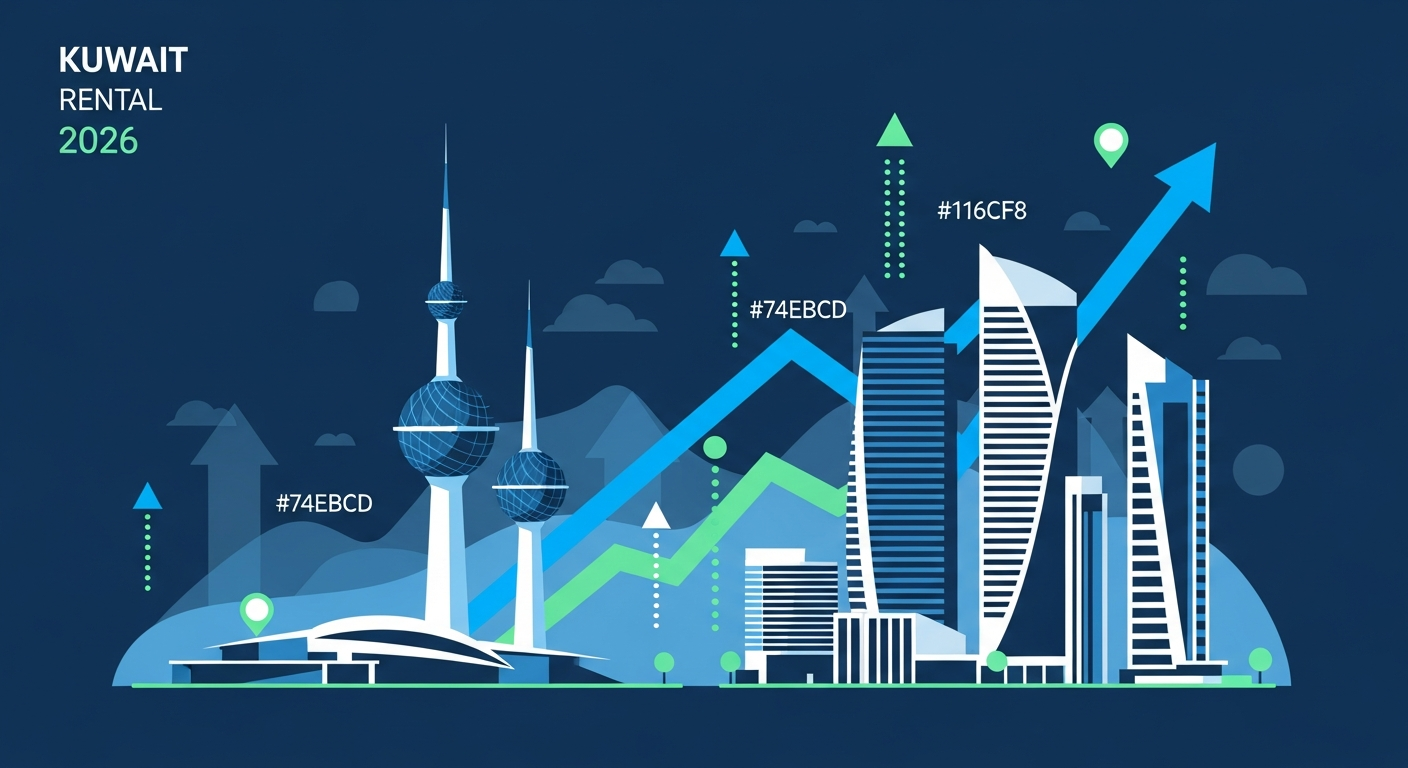
Kuwait’s rental market is seeing clear changes in how tenants search for properties, how they pay rent, and the level of service they expect from a landlord or management company. While the market’s fundamentals haven’t changed, the tenant experience and the way a property is managed have become more decisive in maintaining occupancy and stable revenue.
As these changes unfold, landlords need to understand what is happening in the market, and what can be improved in how they manage their properties to keep up with tenant expectations and simplify daily operations.
Demand continues, but tenants’ options have widened
Housing demand in Kuwait remains stable, but tenants are now more able to compare the options available to them. Choosing a property is no longer tied to location and price alone — ease of payment, speed of response, quality of maintenance, and ease of communication have all become factors that shape the tenant experience.
For this reason, a property that is well managed, and whose tenant receives clear, fast service, has a better chance of maintaining occupancy and a stable relationship with the tenant.
Digital payment has become part of the rental experience
One of the most notable changes in the market is the growing use of digital payment methods. A tenant who relies on KNET and cards in their daily transactions expects the rent-payment process to be just as easy and fast.
For landlords and property managers, the impact of electronic payment isn’t limited to making payment easier for the tenant — it also helps organize the collection process, reduce manual follow-up, and link payments to contract and invoice records.
The tenant experience has become part of property management
A landlord’s relationship with the tenant doesn’t end at signing the contract or receiving the rent. The way you communicate, the ease of accessing documents, the speed of handling maintenance requests, and the way payments are tracked all form part of the tenant experience.
As tenant expectations rise, managing these details in an organized way has become an important factor in maintaining the relationship with the tenant and reducing the problems that could affect the property’s stability.
What does this mean for landlords?
There is a set of priorities worth landlords’ attention in the coming period:
- Offering electronic payment to make paying easier and organize the collection process.
- Automating repetitive tasks such as issuing invoices, sending reminders, updating payments, and preparing reports, so the management team is freed for the tasks that need real follow-up.
- Improving the tenant experience by simplifying communication, access to documents, and the tracking of maintenance requests and payments.
- Relying on clear data that helps the landlord understand the status of their properties and act at the right time.
The rental market changes gradually, and with it tenant expectations and the way properties are managed. So it is not just about providing new tools, but about organizing daily operations in a way that makes managing a property clearer and easier.
Frequently asked questions
Are digital rent payments common in Kuwait?
Adoption is rising quickly. Tenants increasingly expect to pay rent online with KNET or card, and landlords who offer it tend to collect faster and retain tenants longer.
What do tenants in Kuwait expect from landlords in 2026?
Clear invoices, convenient online payments, responsive maintenance, and a self-service portal to see their history — expectations shaped by every other digital service they use.