How Do You Automate Rent Collection in Kuwait?
A practical guide for property owners in Kuwait to organize rent collection — from issuing invoices and sending reminders to receiving payments and recording them automatically.
 Written by Hassan Al Ali · June 18, 2026 · 4 min read
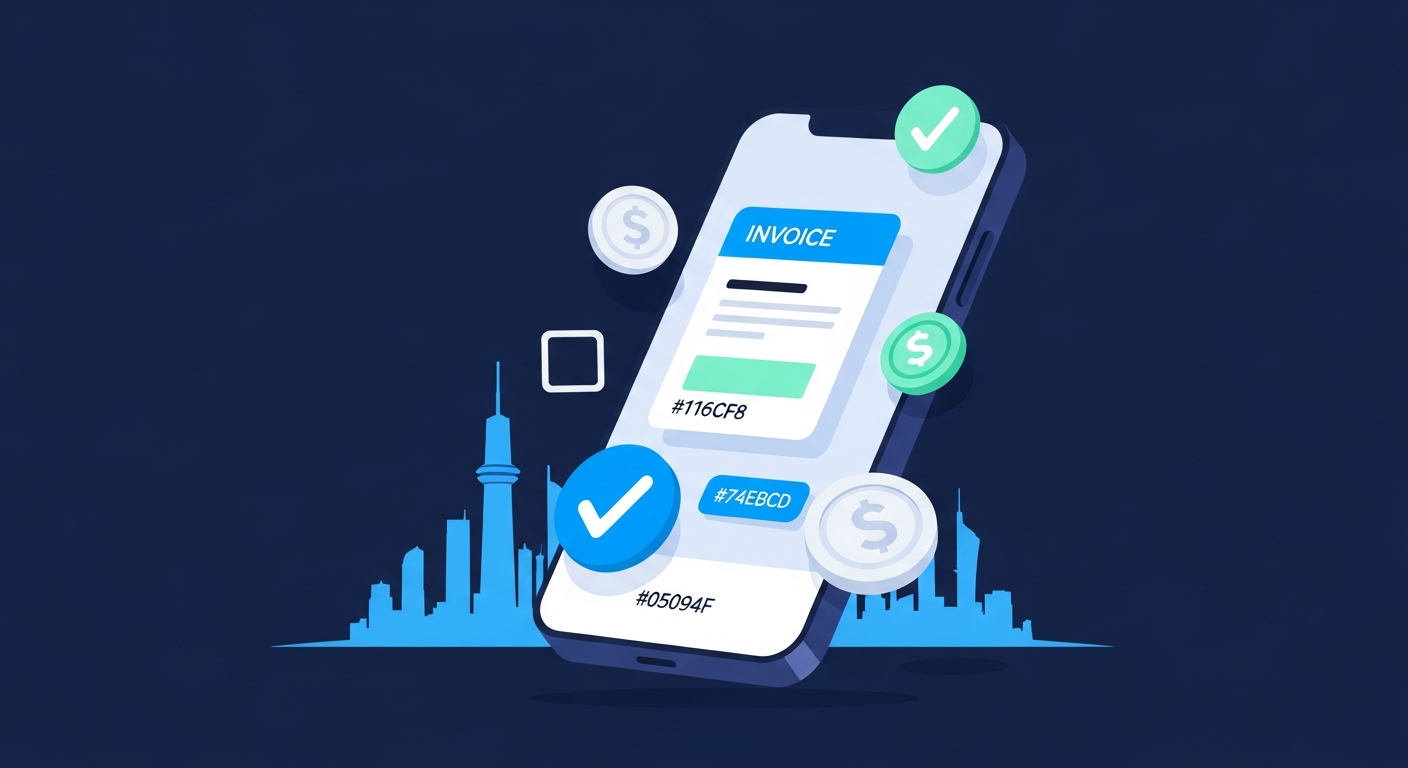
For many property owners, rent collection still relies on manual follow-up. A schedule of due dates, messages over WhatsApp, and chasing every tenant when payment is due.
This approach may work fine when the number of units is limited, but as the portfolio grows, the tasks multiply and follow-up repeats with every tenant and in every collection cycle. Over time, it becomes hard to track all payments and make sure every tenant received the right reminder at the right time.
Automation changes how this process is handled. Instead of the management team starting each collection cycle from scratch, the system can issue invoices, send reminders, provide a way to pay, and record payments within a single cycle.
Why does manual follow-up get harder as the portfolio grows?
Manual follow-up depends on the management team remembering what needs to be done and when. As the number of contracts grows, the same tasks repeat dozens or hundreds of times each month.
- Due dates are scattered across contracts and spreadsheets, and the team needs to review them constantly.
- Every reminder needs to be sent and followed up, and the process can suffer when the team is busy or a member is away.
- Some payments arrive by bank transfer, requiring manual matching to the contract and tenant.
- Collection status stays spread across more than one source, so knowing the arrears requires review and consolidation.
The result is that part of the management team’s time goes to following up on the process itself, instead of focusing on the cases that need real intervention.
What do you need to automate rent collection?
Real automation doesn’t depend on a single step, but on a set of processes connected to one another.
1. Issuing invoices automatically
After the lease is created, rent invoices are generated according to the contract data and the due dates defined in it.
This way the management team doesn’t need to create a new invoice every month or re-enter the rent amount and due date in every cycle.
2. Sending reminders automatically
Instead of tracking due dates and sending messages manually, reminders can be set up in advance to arrive at defined times.
The reminder can begin before the due date, then arrive on the due date, and follow-up continues if the payment remains due.
This way reminders become part of the collection cycle itself, not an extra task the team has to carry out each month.
3. Providing an easy payment method
Collection isn’t complete just because the reminder arrived. The payment method needs to be clear and easy for the tenant.
When the reminder is linked to an electronic payment link via KNET and cards, the tenant can move from the reminder straight to payment, without needing to look up bank account details or send a transfer screenshot over WhatsApp.
What changes when collection is automated?
When invoices, reminders, and payment work within a single cycle, the management team’s role changes.
Instead of following up with every tenant manually, the team reviews the collection status and steps in on the cases that need real follow-up.
The reminder is sent on time, the tenant pays via the link, and the payment is recorded in the system and linked to its related invoice and contract.
This way, following up on collection becomes closer to reviewing a cycle that runs continuously, instead of re-executing its steps manually every month.
What about late payments?
Automation doesn’t mean every payment will arrive on time. There will still be cases that need follow-up, but the difference is that the system identifies these cases instead of the management team searching for them among messages and spreadsheets.
The team can see the overdue invoices, when they were due, what has been collected, and what still needs follow-up.
This allows effort to be directed to the cases that genuinely need human intervention.
How do you start?
You don’t need to change the way you manage your portfolio all at once.
Start by entering the contracts and tenant data, then set up the invoicing and reminder cycle, and enable electronic payment. After that, following up on collection becomes based on the data in the system instead of scattered spreadsheets and messages.
Over time, the process can be expanded to cover the rest of the properties and the operations tied to them.
Automation starts with organizing the collection cycle
Rent collection isn’t just sending a reminder or recording a payment. It’s a series of steps that starts with the contract, passes through the invoice, reminder, and payment, and ends with recording the transaction and following up on the collection status.
When these steps work within a single system, the repetitive work on the management team decreases, the portfolio’s status becomes clearer, and it becomes easier to know what has been collected and what needs follow-up.
And this is where the real benefit of automating collection lies: the system handles the repetitive steps, while the management team focuses on the cases that need a decision or intervention.
Frequently asked questions
Can tenants in Kuwait pay rent with KNET?
Yes. Modern rent collection platforms in Kuwait accept KNET, so tenants can pay from their phone without visiting a branch or transferring manually.
How far in advance should rent reminders be sent?
A reliable schedule is one reminder a few days before the due date, one on the due date, and one after if the invoice is still unpaid. Automating this removes the need to track each tenant by hand.
Do I need a CMS or admin dashboard to publish rent invoices?
No. With Ajar, saving a lease automatically generates the full invoice schedule for the tenancy period, so there is no manual invoice entry at all.